New Volvo EV to Feature High-Tech Seat Belts
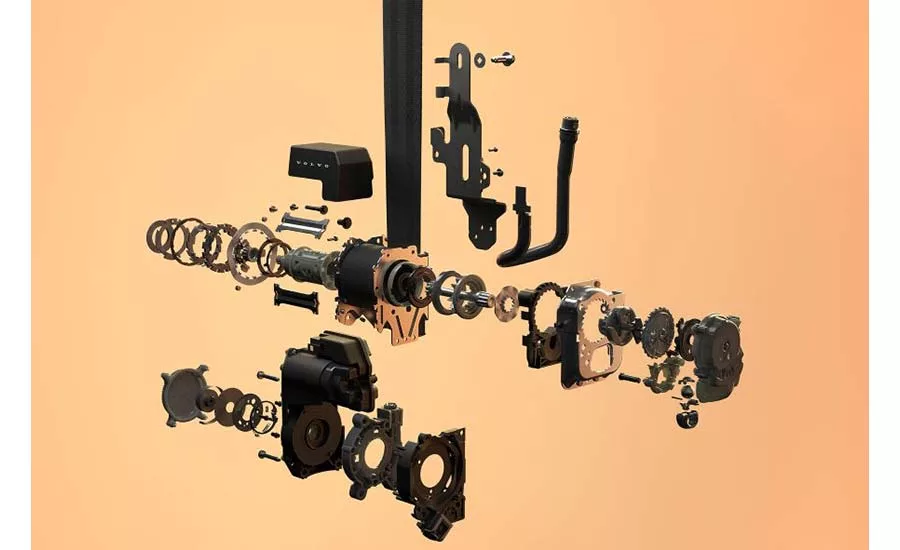
Volvo has developed a multi-adaptive seat belt system that will debut next year in its new EX60 electric vehicle. Illustration courtesy Volvo Cars
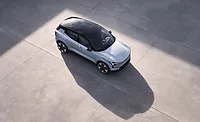
GOTHENBURG, Sweden—Engineers at Volvo Cars have developed a next-generation seat belt system that will be used on the automaker’s EX60 electric vehicle, which is scheduled to debut next year as a competitor to Tesla’s Model Y.
The multi-adaptive safety belt is designed to adapt to traffic variations and the person wearing it, thanks to real-time data from the car’s advanced sensors. It can use data input from interior and exterior sensors to customize protection based on factory such as direction and speed.
The system also adjusts based on vehicle occupants, such as their height, weight, body shape and seating position. For example, a larger person involved in a serious crash will receive a higher belt load setting to help reduce the risk of head injury. A smaller occupant in a milder crash will receive a lower belt load setting to reduce the risk of rib fractures.
“The world-first multi-adaptive safety belt is another milestone for automotive safety and a great example of how we leverage real-time data with the ambition to help save millions of more lives,” says Åsa Haglund, head of the Volvo Cars Safety Centre. “This marks a major upgrade to the modern three-point safety belt, a Volvo invention introduced in 1959, estimated to have saved over a million lives.
“Modern safety belts use load limiters to control how much force the safety belt applies on the human body during a crash,” explains Haglund. “This new safety belt expands the load-limiting profiles from three to 11, and increases the possible number of settings, enabling it to optimize performance for each situation and individual.”
Looking for quick answers on assembly and manufacturing topics? Try Ask ASM, our new smart AI search tool. Ask ASM
Looking for a reprint of this article?
From high-res PDFs to custom plaques, order your copy today!