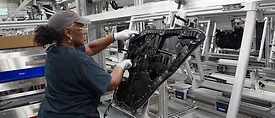
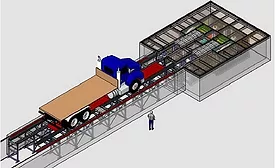
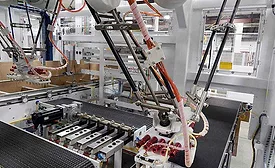
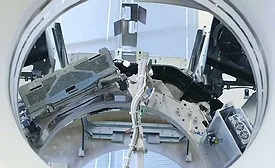
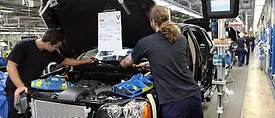
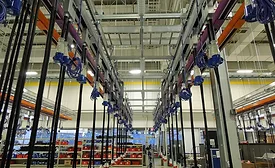
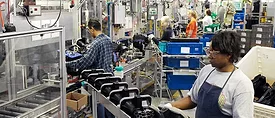
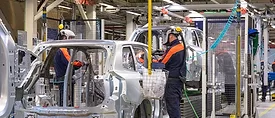
Conveyors do more than simply move parts from point A to point B. They serve as the backbone of an assembly line, and, as such, help manufacturers move forward on their road to success.
The primary purpose of secondary packaging is to ensure the safety of a product during storage and transportation. The integrity of secondary packaging is particularly important with medical devices.
‘Nothing lasts forever’ is an expression, and a reality, that manufacturers of all sizes know all too well. When a product stops working—for whatever reason—the end-user must either repair it or replace it.
While assembly work has always been physically demanding, little is known about the overall consequences of cognitive loading on assemblers' performance, well-being, and the speed and quality of production. Cognitive under- or overloading can cause a lack of focus or distraction on one hand, or overwhelm on the other.
If manufacturers are to survive in today’s dynamic and unpredictable world, they must be more flexible than ever. Track busway systems provide a competitive edge, allowing manufacturers to quickly make changes to power delivery with little to no interruption.
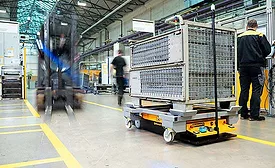
Automotive supplier Continental AG has developed its own line of autonomous automated guided vehicles (AGVs) for transporting parts in its assembly plants and warehouses. The autonomous AGVs can transport loads weighing more than a ton.
Over the past 120 years, the automotive industry has experienced several transformative paradigm shifts that have dramatically changed the process of mass-producing cars and light trucks.
Conveyors remain essential for getting parts to the right spot at the right time. Here’s a look at the state of the art.
July 8, 2021
Transportation, moving parts or assemblies from place to place in a factory, is one of the seven wastes specified in the principles of lean manufacturing. Transportation does not add value.