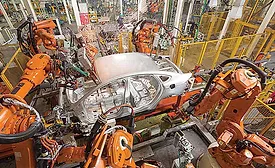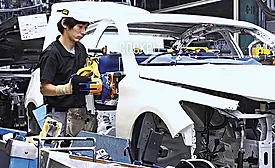
Automakers are scrambling to build a new generation of vehicles that are intelligent, connected and electrified. That’s forcing engineers to rethink how traditional assembly lines and production processes function.
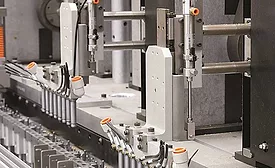
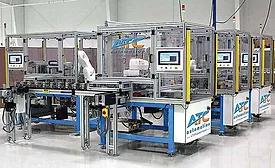
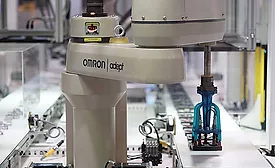
There are many ways to linearly move an object from point A to point B on an assembly line. But, not all of them are designed to optimize speed, accuracy and repeatability while performing the task.
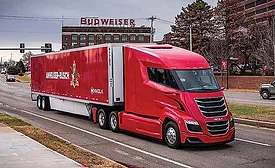
The Budweiser Clydesdales have been an advertising icon since April 7, 1933, when the first hitch of eight horses trotted away from the Anheuser-Busch brewery in St. Louis with a wagon-load of beer to celebrate the end of Prohibition.
Industry 4.0 and the digital manufacturing revolution are all about collecting - and, more importantly, acting on - data gathered from the assembly process in real time.
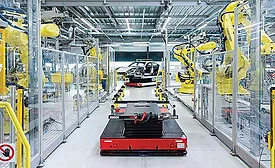
One of the main issues in the recent strike against General Motors revolved around the increasing electrification of automobiles. The shift to electric- and hybrid-powered vehicles is expected to radically alter the shape of the auto industry in the decade ahead. It will also change the look of assembly lines.
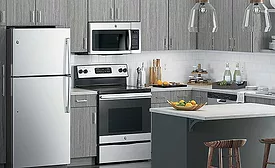
Refrigerators are one of the only appliances found in nearly every type of home, whether it's an apartment in suburban Atlanta, a high-rise condominium in downtown Chicago, a beach house in Hawaii or a trailer in Texas. The humble refrigerator is also the hardest working household appliance. Day and night, it's constantly running to keep all types of food and beverages cool, fresh or frozen.
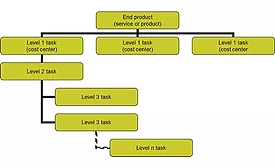
The fundamental start of any project is a scope of work document, which specifies what we want the project to achieve. The project scope may start out broadly described based upon business objectives, but it will become increasingly detailed over time.
In my first postcollege job, I was a manufacturing engineer for Cummins Engine Co. in Columbus, IN. Two weeks into the job, my boss came to me with a project to purchase an industrial wash system, and I leaped at the opportunity. It was a disaster.
When manufacturing engineers are tasked with automating a process that is currently done manually, their main question for an automation supplier is, "Have you ever automated this specific process before?"
Since 2016, China has been the world's largest industrial robot market. Reports from the International Federation of Robots show that foreign robot makers sold nearly 90,000 units to Chinese manufacturers that year and more than 103,000 robots in 2017