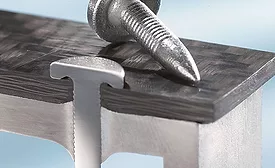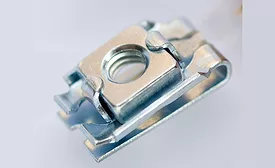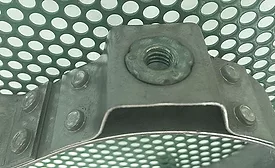
With specialty tack fasteners, manufacturers can quickly attach nameplates, install microelectronic components, and join thin and thick sheets of different metals.
MARNE, MI—Metal fabrication shop DeWys Manufacturing Inc. has developed a robotic cell that automatically installs up to eight self-clinching fasteners in sheet metal.
Automakers are increasingly using hydroformed metal tubing in vehicular structures. Compared with stamped and welded metal parts, hydroformed parts weigh less, cost less, and have a higher stiffness-to-weight ratio.
As household appliance manufacturers continue using thinner sheets of material, engineers must address new challenges and explore alternative joining solutions.
Steel is not about to disappear anytime soon as the dominant material used in the home appliance industry. Unlike automakers, which are turning to aluminum, carbon-fiber composites, magnesium, plastic and other lightweight materials, steel still rules in the world of refrigerators, dishwashers and dryers.
Not every assembly task involving sheet metal is amenable to fasteners or welding. Clinching requires neither and can be a cost-effective method of joining sheet metal parts.
Nuts and bolt aren't the only types of fasteners used in product assembly. Retaining rings, Speed Nuts and a variety of other specialized metal and plastic fasteners have been developed. These specialty fasteners can often save time in the assembly process, eliminate the need for additional fastening components, lower manufacturing costs and maximize holding power.