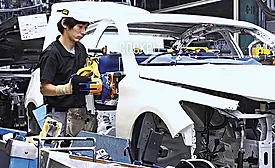
Automakers are scrambling to build a new generation of vehicles that are intelligent, connected and electrified. That’s forcing engineers to rethink how traditional assembly lines and production processes function.
Consumers spend some $1 billion to buy 2 billion lightbulbs each year in the U.S. That’s more than 6 million every day. High-speed automated assembly is the only way to meet that kind of volume.
How quickly things change. On March 1, I was one of 15,000 people watching the Chicago Cubs play a spring training game at a ballpark in Mesa, AZ. It was warm and sunny, the beer was cold, and I had not a care in the world.
THE CITY OF ROCKFORD, IL, is located 90 miles northwest of Chicago. It has a long, proud history of making machine tools and metal parts, such as nuts and bolts.
For any plastic-injection-molding tooling company, nothing is more important than making sure its molds allow for consistent, quick and clean demolding of just-made parts. So anything that helps the company achieve this crucial goal is worth pursuing.
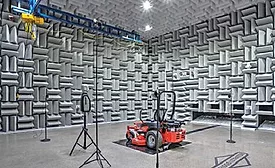
In the small town of Wauwatosa, WI, sits the state-of-the-art noise, vibration and harshness laboratory operated by Briggs & Stratton. Within the lab are two anechoic chambers outfitted with sound-absorbing acoustic wedges.
Countries around the world share a common goal of reducing carbon emissions. Finland, for example, aims to reduce its level of emissions by 5 percent (5 million kilograms) each year by investing in green technology for public transportation.
Building complex assemblies is now a standard practice for electronic manufacturing services (EMS) companies. This reality applies to firms that do work locally, nationally or internationally.
Thermoelectric coolers are great for day trips, tailgating, boating or even overnight camping trips. Instead of ice, these coolers rely on a thin, flat electronic assembly called a Peltier device.
 RSS
RSS