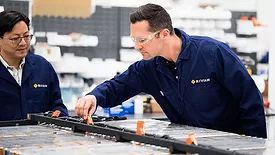
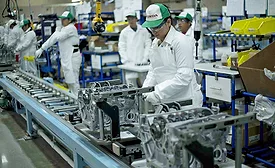
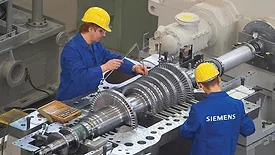
In imposing tariffs, Trump said his goal is to reduce the trade deficit and spur more manufacturing in the United States. One year into his second term, neither goal has been achieved. In fact, the opposite occurred.
In January, Samsung Electronics forecast a worsening chip shortage this year, thanks to burgeoning demand for AI data centers. The race to build AI infrastructure has prompted chipmakers to divert manufacturing capacity toward high-bandwidth memory for AI servers, squeezing the supply of conventional memory chips.
To increase collaboration up and down the supply chain, a coalition of European automotive manufacturers created Catena-X, the first end-to-end, collaborative and open data ecosystem for the automotive industry.
On Sept. 19, President Donald Trump signed a proclamation that adds a $100,000 fee for new applicants for H-1B visas. The administration hopes the new fee will encourage employers to prioritize hiring domestic workers, but opponents warn that the policy could backfire.
Lawmakers in every state in the union have filed legislation to ensure that consumers have access to the parts, tools, and documentation needed to repair their stuff. This year alone, right-to-repair legislation is being actively debated in 24 states.
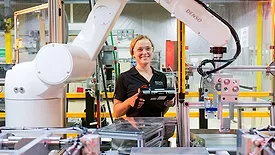
Accenture’s new report, Rethinking the Course to Manufacturing’s Future, shows that AI, automation and digital technologies will become increasingly important in manufacturing.
 RSS
RSS