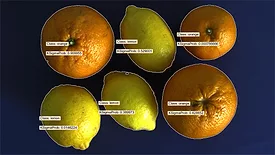
We define machine learning and explain how it works within machine vision, with a focus on where machine learning can be effectively applied to enhance inspection reliability and capability.
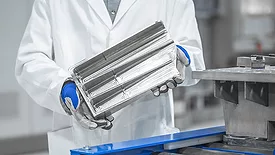
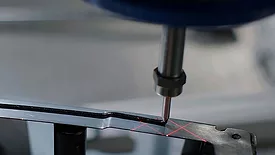
Engineers at the Whiting School of Engineering at Johns Hopkins University and the Johns Hopkins Applied Physics Laboratory (APL) are harnessing additive manufacturing and artificial intelligence technology to develop new ways to improve both the speed of production and the strength of titanium parts.
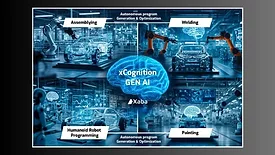
Xaba is on a mission to change automation from simple mechanization to a connected, intelligent ecosystem, enabling factory machines to self-program, self-optimize, and run without a single line of code
By “intelligent evolution,” I’m not talking about the simple adoption of automation and forms of machine learning, sort of a set-it-and-forget-it approach.
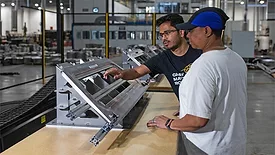
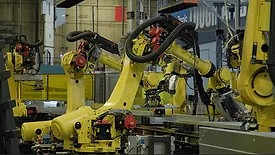
Manufacturing has evolved significantly with intelligent machines like robotics and automation working with humans. AI and predictive analytics help reduce equipment failures and optimize systems in real time, marking a major shift in traditional manufacturing practices toward a smarter future.
Companies are turning to robotic automation for surface finishing tasks like sanding and polishing due to labor shortages. Advancements in AI enable robots to self-program and perform complex operations autonomously.