Aerospace engineers around the world have been searching for new ways to make aircraft lighter and more fuel efficient. Aeroelastic wings may be the answer.
Materials are important in every industry. But, they're critical to aerospace manufacturers. If companies select the wrong material for a particular application, it can have catastrophic consequences.
The 1920s was a golden age for the automobile in America. Millions of people jumped behind the wheel for the first time and transformed mobility, not to mention just about every facet of life. History may repeat itself during the 2020s. But, this time around, cars will be driving themselves.
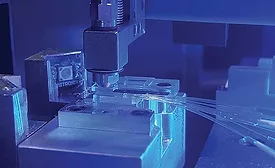
Optical fiber is the backbone of today's digital economy. Global financial transactions, high-speed Internet access, online shopping, video gaming and other things that most people take for granted are possible because of thin strands of glass that transmit massive amounts of data every second.
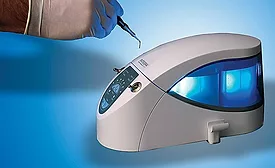
In all industries, it's important to achieve alignment between the design of a product and production processes as early as possible. In the medical device sector, whether it's a dialysis machine, a knee implant, a stethoscope or a syringe, the design transfer process plays a critical role in addressing cost and quality issues.
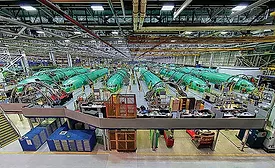
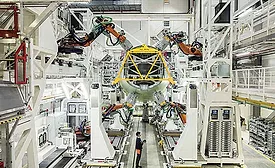
Automated assembly lines have been the backbone of the automotive industry for decades. Robots are widely used to rivet and weld car bodies. But, in the aerospace sector, automation is more elusive when it comes to building fuselages and wings for commercial aircraft.
Engineers around the world are scrambling to create next-generation batteries that are energy-efficient and easy to mass produce. One promising candidate is aqueous flow battery technology being developed at the University of Colorado.
The automotive industry experienced a record number of vehicle recalls in 2018, and this year's tally isn't far behind. Many of those issues have been caused by electronics or software glitches.
One of the main issues in the recent strike against General Motors revolved around the increasing electrification of automobiles. The shift to electric- and hybrid-powered vehicles is expected to radically alter the shape of the auto industry in the decade ahead. It will also change the look of assembly lines.