
Austin Weber
Austin has been senior editor for ASSEMBLY Magazine since September 1999. He has more than 25 years of b-to-b publishing experience and has written about a wide variety of manufacturing and engineering topics. Austin is a native of Chicago and a graduate of the University of Michigan.
ARTICLES

What’s New With Handheld Adhesive Dispensing Equipment
Lighter, smarter tools simplify manual assembly tasks.
Read More

High-Speed Rail Demands Light Railcars
Carbon-fiber composite is on track for big growth in the rail sector
Read More
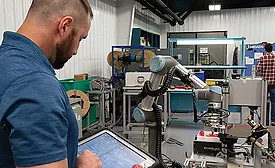
Robotics in the Age of Industry 4.0
Artificial intelligence and data analytics will make robots more productive
Read More

5G Will Drive Tomorrow’s Connected Assembly Lines
Next-generation wireless technology is transforming production processes
Read More
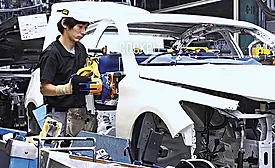
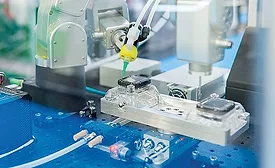
Small Robots Play a Big Role in Automation
Compact tabletop machines are becoming more popular with manufacturers
Read More
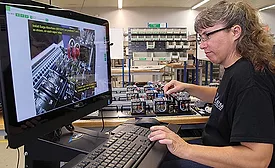
Electronic Work Instructions Come of Age
New software tools help engineers enforce production processes
Read More