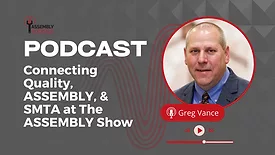
Get a preview of the upcoming ASSEMBLY Show, co-located with SMTA, through this collaborative podcast with Greg Vance of Rockwell Automation and SMTA’s president of the board of directors.
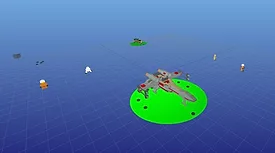
The system takes a CAD-style product specification and automatically generates a complete assembly plan, including factory layout, task assignments, collaborative payload transport, and collision-free navigation.
ATLANTA—
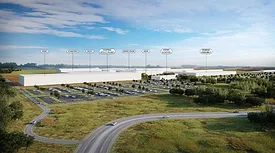
Originally slated to open in 2024, the project will now be developed in two phases, with vehicles expected to begin rolling off assembly lines in 2028. Once complete, the plant will be capable of producing up to 400,000 vehicles annually.
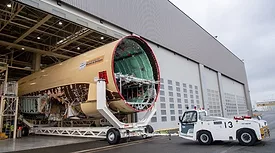
TOULOUSE—The A350F, derived from the A350-1000 passenger jet, has been purpose-built for cargo operations. With a payload capacity of 111 tonnes and a range of 4,700 nautical miles, the aircraft is designed to serve the growing global demand for new-generation, fuel-efficient freighters.
DAYTONA BEACH, FL—
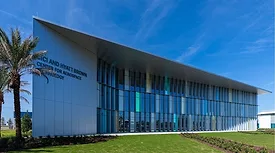
The facility, located in the Cici & Hyatt Brown Center for Aerospace Technology, will support engineering design, research, development, and prototyping for Boeing Defense, Space & Security Air Dominance programs, as well as other advanced technology efforts.
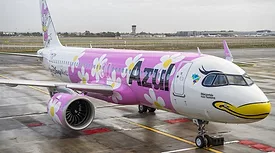
MOBILE, AL—Airbus announced that its second A320neo-family production line in Mobile, Alabama, will begin operations in October. The new line brings Airbus’ total number of aircraft assembly lines worldwide to 13.
ASSAM, India—To safeguard sensitive chip-making equipment from ground vibrations caused by elephants, the company, in collaboration with the state government, is building a massive “elephant-proof” wall around the facility.
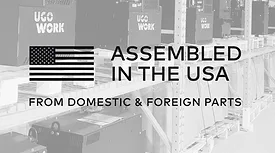
CHICAGO—The facility will assemble batteries for Class I, II, and III lift trucks using both domestic and foreign components, enabling the company to boost production flexibility, reduce lead times, lower shipping costs, and enhance local service for U.S. customers.
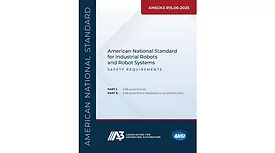
ANN ARBOR, MI—The revised standard, which adopts and updates ISO 10218, introduces clearer functional safety requirements, integrated collaborative robot guidance, new rules for end-effectors and manual operations, updated robot classifications, and cybersecurity considerations.