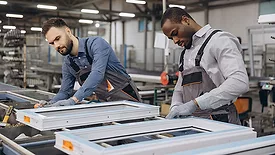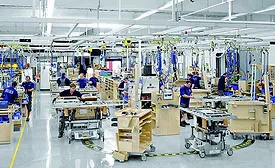
STUTTGART—Engineers at the Fraunhofer Institute for Building Physics have developed an analytical concept that combines measurements of temperature, air quality, lighting and noise with workers’ subjective perceptions.
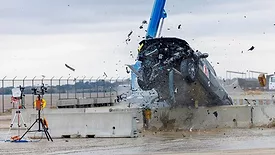
LINCOLN, NE—Engineers at the University of Nebraska recently conducted research to determine if currently used guardrails are prepared to handle the growing number of electric vehicles on America’s roads and highways.
DES MOINES—A controversial bill passed by the Iowa Senate in the wee hours of the morning would loosen child labor laws in the state and allow some manufacturers to employ children under the age of 18 in their facilities.
A few years ago, I worked with a warehouse stocker named John who had injured his back and was looking to get back to full duty. His job was important to him because he had a family to support, which included taking care of an adult son with special needs.
The manufacturing industry faces a talent shortage, and it will take a multifaceted approach to address the issue. The industry was already struggling to find workers before the COVID-19 pandemic made it worse.
Attendees will develop the ability to recognize, plan, and integrate the strategic elements of ergonomics into their current business processes. This workshop is not an introductory course and is intended for those who have previously attended the Applied Industrial Ergonomics seminar.
This workshop takes you beyond identifying and assessing ergonomic risk, and leads you into “designing out” the risk to begin with. Through hands-on experiences and group activities, some of which may be held off-site, participants will learn how to evaluate existing equipment and propose methodologies for good ergonomic design. This workshop is for people who have previously participated in the Applied Industrial Ergonomics training course.