Predictive Maintenance Reshapes Automated Production Operations
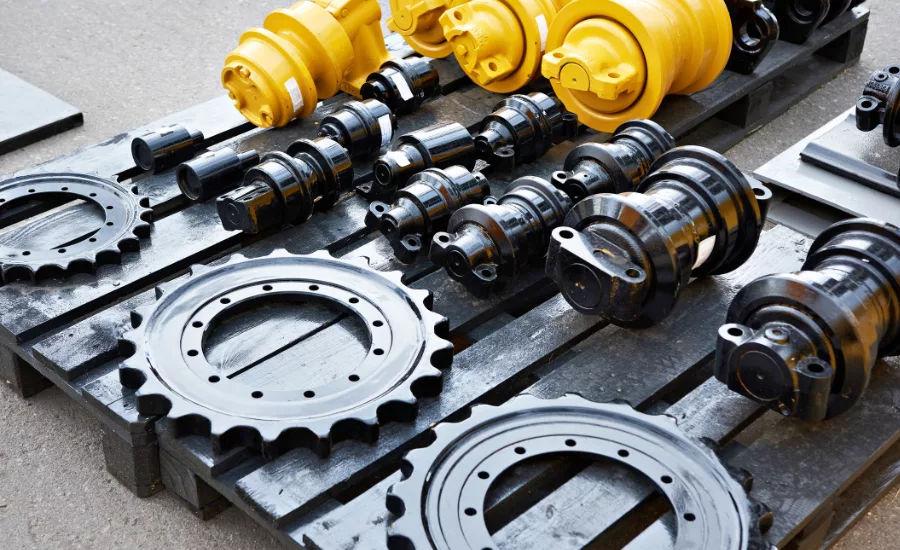
BIRMINGHAM, Mich. — Manufacturers are increasingly treating automation maintenance as a production strategy rather than a reactive repair function as factories become more dependent on robotics, automated systems and continuous uptime.
The shift is driving greater interest in preventive maintenance programs, condition-based monitoring and critical-parts management designed to reduce unplanned downtime and extend the life of automation assets.
Integrion Automation recently expanded its Field Services program around those priorities, emphasizing scheduled robotics maintenance, equipment inspections and strategic spare-parts stocking to help manufacturers stabilize automated production environments.
The Field Services process begins with a comprehensive equipment assessment in which engineers evaluate system condition, operating environments, usage patterns and service history. From there, the company develops a maintenance plan coordinated around production schedules to minimize disruption. Services can include inspections, mechanical and electrical adjustments, software backups, calibration, wear-part replacement and safety checks. Maintenance is then carried out through scheduled site visits, reporting and coordination with plant leadership to help keep service consistent and aligned with operational goals.
Integrion also offers a robotics-focused preventive maintenance program built around condition-based maintenance principles. Using inspection data and historical service trends, the company said the program is designed to identify issues before they become failures, allowing manufacturers to replace components at optimal intervals, reduce secondary damage, extend asset life and improve reliability compared to reactive repair strategies.
The company said many production disruptions stem from preventable issues such as wear, fatigue, outdated software and delayed parts availability rather than catastrophic equipment failures.
As manufacturers continue investing in robotics and automated assembly systems, maintenance strategies are increasingly shifting toward predictive service models that use inspection data and historical performance trends to identify issues before they interrupt production, reduce secondary equipment damage and improve long-term reliability.
Looking for quick answers on assembly and manufacturing topics? Try Ask ASM, our new smart AI search tool. Ask ASM
Looking for a reprint of this article?
From high-res PDFs to custom plaques, order your copy today!