Water and EV Batteries Don’t Mix
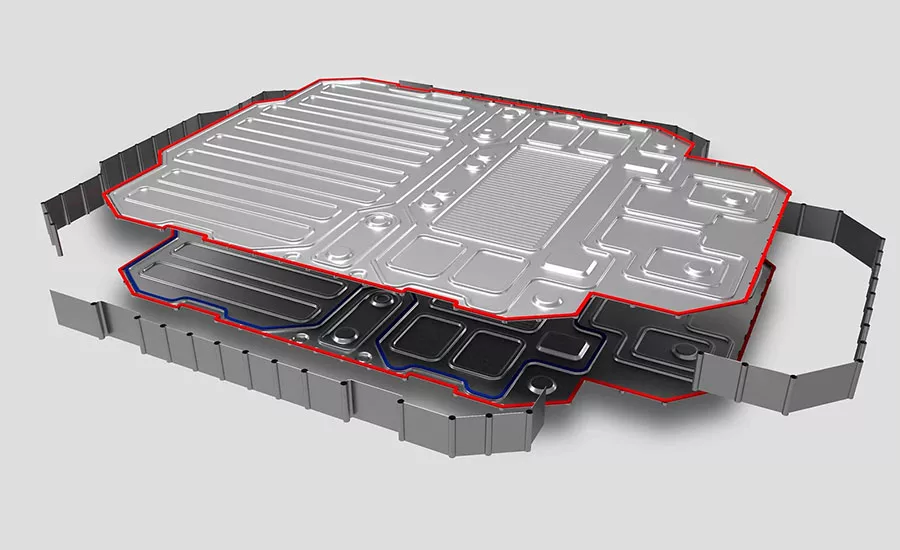
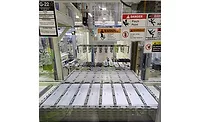
EV battery compartments must be sealed against water, dirt and other contaminants.
Photo courtesy Sika Automotive
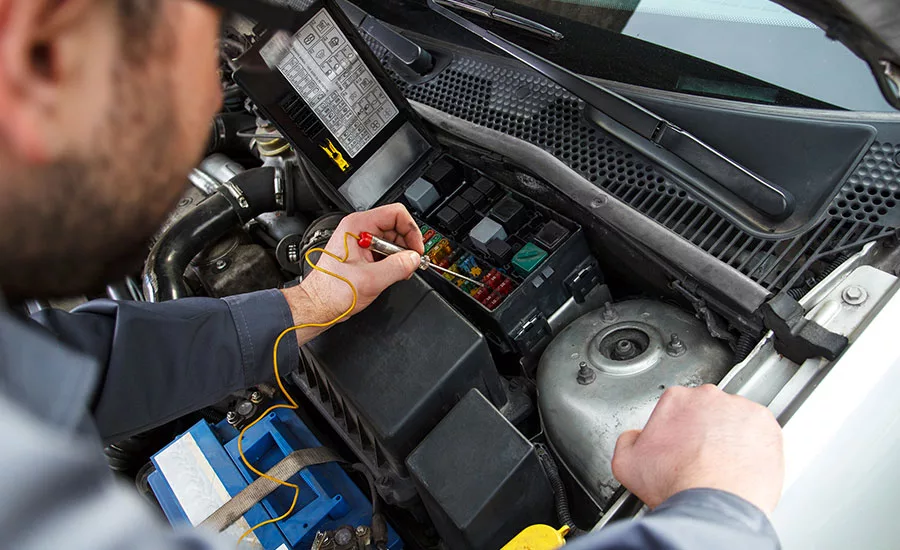
If your EV has been exposed to flood waters, have it inspected by a professional before attempting to drive it.
Photo: PointImages / Getty Images
Electric vehicles have rapidly gained popularity due to their eco-friendliness, lower running costs, and advancements in battery technology. However, with extreme weather events on the rise, including floods, there is growing concern over how EVs and their batteries respond when submerged in water. While most EVs are designed to handle inclement weather, flooding poses unique challenges that can lead to battery failures and even safety hazards.
Of course, submerging a gas-powered vehicle is not good, either. Water intrusion into the engine block will cause problems. And, water ingress will compromise a car’s interior, regardless of whether it’s gas or electric. Mold does not care about a vehicle’s propulsion mechanism.
EVs are powered by lithium-ion battery packs that are typically underneath the car. These battery packs are housed in watertight enclosures designed to protect them from exposure to moisture, road debris, and other external elements. Automotive manufacturers test EVs for water resistance, ensuring they can operate safely in rainy or wet conditions. However, design limits are typically exceeded when EVs encounter severe flooding.
When the vehicle is wholly or partially submerged in water, particularly saltwater, the integrity of the battery enclosure becomes critically important. Water penetrating the enclosure can compromise the battery’s function and safety. Flood waters will contain a complex soup of elements, even away from the ocean.
Short Circuits and Water Intrusion
One of the most dangerous scenarios that can occur when an EV is submerged is a short circuit. A short circuit occurs when water—a conductor of electricity—creates unintended electrical pathways between components that are not meant to be connected.
EV batteries consist of thousands of small cells connected in series and parallel to provide the necessary voltage and power. These cells are separated by insulation and protective barriers to prevent electrical shorts. However, water entering the battery pack can breach these barriers, allowing current to flow through unintended paths. This can cause:
- Electrical arcing: Sparks occur when electricity jumps between gaps, leading to localized heating and potential fires.
- Battery cell damage: Short circuits can cause individual battery cells to overheat, rupture or even explode.
- Complete power failure: Water-induced short circuits can also lead to a total loss of power, disabling the vehicle.
In severe cases, short circuits can result in thermal runaway, where heat generated by a short circuit leads to a chain reaction of battery cell failures. This can cause significant safety hazards, including fires or explosions, especially if the vehicle remains submerged for an extended period. This is not an issue with the battery for a gas-powered vehicle.
Looking for quick answers on assembly and manufacturing topics? Try Ask ASM, our new smart AI search tool. Ask ASM
EV Failure Modes Due to Water-Induced Short Circuits
When water intrusion causes short circuits in an EV’s battery system, several failure modes can occur, each with its own set of consequences:
Loss of functionality. One of the first noticeable symptoms of water-induced failure is a loss of vehicle functionality. Short circuits in the battery system can disrupt communication between the battery management system (BMS) and the rest of the vehicle, leading to a sudden power shutdown. The vehicle may become immobile, stranding the driver in potentially dangerous flood conditions.
Battery overheating. In some cases, short circuits can cause localized overheating of battery cells. If the cells reach temperatures beyond their thermal limits, they may vent toxic gases or catch fire. To mitigate these risks, EV manufacturers have incorporated cooling systems and fire suppression mechanisms in battery packs, but flooding can overwhelm these safety features.
Corrosion of electrical components. While short circuits pose an immediate risk, longer-term consequences can also arise due to water exposure. Water, particularly salt water, can cause corrosion of internal electrical connections and components. Corrosion weakens the electrical interconnects and adds resistance to the circuitry, leading to unpredictable behavior, loss of efficiency, and eventual battery failure even after drying the vehicle.
Thermal runaway. In the worst-case scenario, a short circuit can trigger a phenomenon known as thermal runaway. This occurs when one battery cell overheats, causing neighboring cells to also overheat in a chain reaction. If not quickly managed, thermal runaway can cause a fire to spread throughout the battery pack. Given the confined space in an EV’s battery pack, extinguishing such a fire can be challenging.
To minimize the risks associated with water exposure and short circuits, EV manufacturers have taken several steps to protect their vehicles and batteries. These include:
- Waterproofing. Battery enclosures are designed to meet stringent ingress protection ratings, often IP67 or higher, meaning they can withstand temporary submersion in water. This protection is critical for avoiding water intrusion during floods.
- Battery management systems monitor the health and status of battery cells. These systems can detect short circuits or water intrusions and shut down the system before significant damage occurs.
- Cooling and thermal management. EV batteries have thermal management systems to prevent overheating. In water-induced short circuits, these systems help mitigate the risk of thermal runaway
- Corrosion resistance. Materials used in constructing battery packs and electronic components are chosen to resist corrosion, especially in environments where saltwater exposure is a risk.
Testing
I have always been a proponent of a multiplicity of approaches when testing a product. The range of tests begins with engineering and carries on through design verification and process verification.
Testing should include common chemical exposure of the gasket material. Vehicles are subjected to myriad chemical exposures. From experience, these chemicals can degrade the performance of these sealing elements.
Our favorite test for saltwater ingress involves creating an iced saltwater bath, which will drop the water temperature below 32°F. First, the device’s temperature is elevated to, for example, 85°F. Then, the component is submerged in the ice bath for some time. The temperature difference will create differential pressure, stressing the product’s seals. The product is pulled from the bath when it reaches 32°F. After drying, the product is functionally tested and, ideally, torn down to see if there are signs of salt ingress into the enclosure.
It’s also a good idea to sample components from the assembly line, measuring various attributes. In the olden days of automotive development, we referred to this as continuing conformance (CC) testing. Of course, the need for CC testing depends upon the cost of the product and the cost of failures. These sampled assemblies can be fodder for durability testing and other tests.
Assembly and Training
Regularly train assemblers on the importance of seal integrity and the correct methods to install seals, fasteners and other critical components. This training can start long before the physical parts are available in production volumes, through the use of virtual reality and augmented reality. In this way, your team can gain valuable experience in the assembly of the product, becoming familiar with how the parts assemble and determining the tools for the job.
Training should not stop with this up-front work. Manufacturers must continue to update their standard operating procedures. Your team may find better ways to achieve the objectives of the assembly.
As EV technology advances, manufacturers must increasingly focus on improving water resistance and safety features to mitigate risks. However, EV owners should remain cautious and take appropriate precautions when facing flood-prone conditions.
Sidebar: Safety Tips for EV Owners in Flood-Prone Areas
For EV owners in flood-prone areas, awareness is crucial in maintaining vehicle safety during extreme weather events. Follow these tips to stay safe:
Avoid driving through deep water. This should be obvious, as it also applies to gas-powered vehicles. If you encounter flooded roads, do not attempt to drive through deep water. While EVs are built to handle some water exposure, submersion can overwhelm the battery’s protective systems.
Inspect after exposure. If your EV has been exposed to flood waters, it’s critical to have it inspected by a professional before attempting to drive it. Even if the car appears to function normally, hidden water damage can lead to severe problems later.
Stay informed about recalls. As EV technology evolves, manufacturers constantly update designs and systems. Staying aware of potential recalls related to battery safety can help prevent accidents.
Looking for a reprint of this article?
From high-res PDFs to custom plaques, order your copy today!