 RSS
RSS
Industries
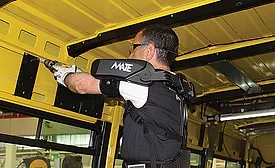
Exoskeletons Aid Assemblers at Truck Plant
Workers at IVECO’s assembly plant in Brescia, Italy, get mechanical help on the line.
Read More
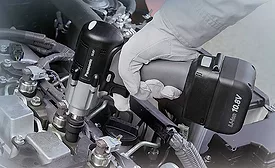
What’s New With Cordless Tools
Today’s industrial-grade cordless tools combine higher torque and greater accuracy with advanced data-gathering capabilities
Read More
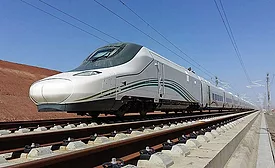
High-Speed Rail Demands Light Railcars
Carbon-fiber composite is on track for big growth in the rail sector
Read More

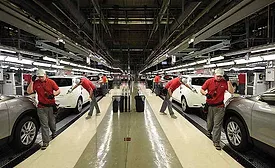
Cybersecurity for Today’s Assembly Plant
As assembly plants become more connected to both suppliers and customers, cybersecurity is becoming more important
Read More
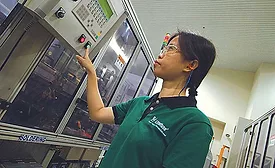
Five Digital Transformation Failures and How to Avoid Them
Up to 70 percent of digital transformations fail: Don’t be one of them
Read More
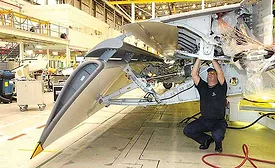
Blockchain in the Factory of the Future
Manufacturers are challenged with securely sharing data inside and outside the factory. Blockchain could solve that problem
Read More

5G Will Drive Tomorrow’s Connected Assembly Lines
Next-generation wireless technology is transforming production processes
Read More

Assemblers See Promise—and Challenges—in IIoT
Our exclusive new survey reveals assemblers’ usage, plans and expectations for the Industrial Internet of Things
Read More