RSS
RSS

Adhesives & Dispensing Assembly

Adhesive Bonding
Real-Time Monitoring Brings Process Control to Two-Part Adhesive Dispensing
New sensing technology gives manufacturers visibility into adhesive mix quality at the point of dispense, helping reduce scrap, minimize waste and improve traceability.
Read More
Adhesives and Dispensing
Sealants Protect Pins and Busbars in EVs
The newest formulations protect against water, chemicals and temperature extremes.
Read More
Adhesives and Dispensing
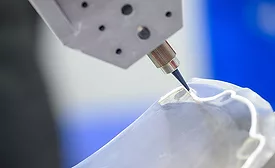
New UV-Cure Adhesives Do Not Contain TPO
Safer UV-cure adhesives head list of new materials for assembling medical devices, automotive displays and battery compartments.
Read More
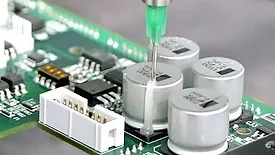
Best Practices to Prevent Outgassing in Adhesive Assemblies
Minimizing the release of volatile substances can ensure the performance of sensitive components.
Read More


Adhesive Bonding
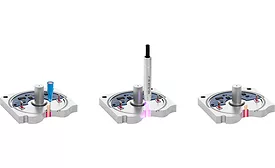
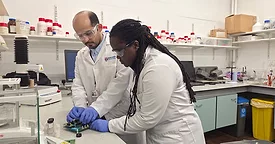
New Technology Monitors Quality of Meter-Mix Process for Two-Part Adhesives
A sensor collects measurements after the adhesive is mixed, but before it’s dispensed onto parts.
Read More

Automotive Industry
RV Manufacturer Issues Recall Due to Faulty Adhesive
An epoxy securing solar panels to the roof may fail, allowing the panels to detach.
Read More