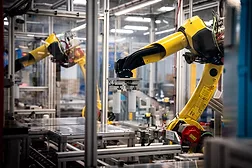
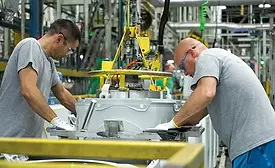
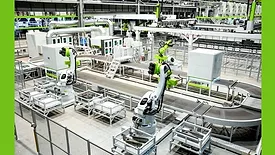
LONDON—The number of manufacturers that expect to automate key production processes by 2030 will more than double, from 18 percent to 50 percent, according to PwC.
WASHINGTON — U.S. manufacturing activity expanded again in February while input prices at factories surged to a near 3‑1/2‑year high, reflecting rising costs from tariffs and other pressures, even before U.S.-led military action in Iran sent oil prices higher.
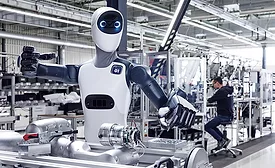
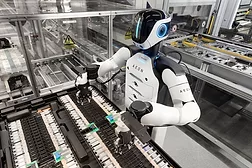
STAMFORD, CT—Humanoid robots are one of the hottest topics of 2026. But, despite all the hype, many manufacturers plan to cautiously approach the technology.
CHANGSHA, China — Zoomlion said it has cut excavator manufacturing cycle time to 6.5 days and achieved a production pace of one machine every six minutes by building a shared smart factory system designed to handle high-mix, low-volume heavy equipment production.
BUDAPEST, Hungary — Allonic, a robotics manufacturing startup founded in Hungary with a joint U.S. headquarters, has raised $7.2 million in pre-seed funding to develop an automated production platform aimed at speeding the manufacture of advanced robotic hardware.
SEOUL, South Korea — Hyundai Motor Group said it will invest $86.7 billion through 2030 to become a global leader in robotics and physical artificial intelligence. The plan includes the creation of a dedicated robotics training complex in Georgia.
FREMONT, Calif. — Tesla plans to end production of its Model S and Model X vehicles and convert part of its Fremont factory into a robot-manufacturing operation capable of producing up to 1 million Optimus humanoid robots per year, CEO Elon Musk said during the company’s fourth-quarter financial report.
DEARBORN, MI—Ford Motor Co. and China’s Geely Auto are in preliminary discussions for a potential partnership that could see Ford’s excess production capacity in Europe used to build Geely vehicles, sources familiar with the talks told Reuters.
AUBURN HILLS, Mich. —
Stellantis is likely to record its first annual loss since its creation in 2021, following an unexpectedly large write-down of $26 billion linked to what it described as an overly ambitious electrification strategy.
 RSS
RSS