Assembly Magazine logo
search
Ask ASSEMBLY AI
cart
facebook twitter linkedin youtube
  • Sign In
  • Create Account
  • Sign Out
  • My Account
Assembly Magazine logo
  • TRENDS
    • Ask ASSEMBLY AI
    • Trends
    • News
    • New Products
  • INDUSTRIES
    • Aerospace
    • Appliance
    • DFMA Assembly
    • Medical Devices
    • Green Manufacturing
    • Lean Manufacturing
    • Machinery Assembly
    • Electronics Assembly
    • Automotive
  • TECHNOLOGIES
    • Adhesives & Dispensing
    • Assembly Presses
    • Automated Assembly Systems
    • Manufacturing Management
    • Manufacturing Software
    • Motion Control
    • Screwdriving & Riveting
    • Robotics
    • Test & Inspection
    • Plastics & Metal Welding
    • Wire Processing
    • Workstations
  • AUTONOMOUS & ELECTRIC MOBILITY
    • AEM Magazine Archives
    • Autonomy
    • Electrification
    • Mobility Services
    • Assembly & Testing
    • AV/EM News
  • MEDIA
    • Ask ASSEMBLY AI
    • Podcasts
    • Assembly News Now
    • Assembly TV
    • Webinars
    • eBooks
  • EVENTS
    • Calendar
    • The ASSEMBLY Show
  • MORE
    • Exclusives >
      • Plant of the Year
      • Capital Spending
    • Buyers Guide >
      • Supplier Insights
    • Classifieds
    • Featured Products
    • Newsletters
    • Store
    • White Papers
    • Columns
    • Sponsor Insights
  • INFOCENTER
    • Assembly & Test Solutions
  • EMAGAZINE
    • eMagazine
    • Archive Issues
    • Advertise
    • Contact Us
    • Sign Up
ColumnsThe Editorial

Pandemic Spurs Review of Manufacturing Supply Chains

By John Sprovieri
June 2, 2021

If there’s a silver lining to the COVID pandemic, it might be that it encourages U.S. manufacturers to consider reshoring. Last year’s shortages of personal protective equipment, ventilators, pharmaceutical ingredients and other medical products opened a lot of eyes in board rooms and in Washington.

In February, President Biden issued an executive order requiring his administration to review critical supply chains with the aim of bolstering American manufacturing of semiconductors, pharmaceuticals and other technologies.

In remarks at the White House, the president cast the move as an important step toward creating well-paying jobs and making the economy more resilient in the face of geopolitical threats, pandemics and climate change.

“This is about making sure the United States can meet every challenge we face in the new era,” he says.

Specifically, the president ordered yearlong reviews of six sectors: defense, public health, information technology, energy, transportation and agricultural products. He also ordered 100-day reviews of four classes of products where American manufacturers rely on imports: semiconductors, high-capacity batteries, pharmaceuticals and their active ingredients, and critical minerals and strategic materials, like rare earths.

Additional actions to strengthen those supply chains would depend on the vulnerabilities that are identified.

“We are going to get out of the business of reacting to supply chain crises as they arise and get into the business of preventing future supply chain problems,” says Peter Harrell, the White House’s senior director for international economics and competitiveness.

Looking for quick answers on assembly and manufacturing topics? Try Ask ASM, our new smart AI search tool. Ask ASM →

The executive order did not target imports from any specific country, but it is being viewed as an early salvo in the administration’s economic battle with China. Beijing’s dominance of global supply chains for raw materials and critical products like medical masks has prompted concerns that its authoritarian government could cut off the United States, causing even bigger economic disruptions. Indeed, early in the coronavirus pandemic, China diverted exports of masks and protective gear to its local governments and hospitals, leaving foreign purchasers empty-handed. Along with India, China is also a major source for the active ingredients that go into making vital drugs, including antibiotics and pain medicines. China has also periodically moved to ban exports of rare earth minerals, which are crucial for making electric vehicles, electronics, fighter jets and weaponry.

Manufacturers were quick to voice their support.

“Manufacturers have led the nation’s response to COVID-19 by ramping up production of critical supplies, developing treatments and vaccines, and continuing to produce the essentials for daily life. But the pandemic has also exposed serious challenges facing supply chains and the serious consequences when they are disrupted. We are encouraged to see that the Biden administration is taking action to address these challenges,” says Jay Timmons, president and CEO of the National Association of Manufacturers (NAM).

“The administration’s goal of increasing manufacturing investment in the United States is one we share,” he continues. “And their focus on key sectors, like the pharmaceutical [industry], will help us emerge stronger from this crisis. We look forward to working with the Biden administration to bolster supply chains and create new job opportunities in America.”

“The IPC commends President Biden for ordering a review of industrial supply chains critical to U.S. economic growth, innovation and security,” adds John Mitchell, president and CEO of IPC, a trade group representing U.S. electronics assemblers. “The U.S. printed circuit board industry, which once accounted for more than 30 percent of global production, today accounts for less than 5 percent. Only four of the top 20 electronics manufacturing services companies are based in the United States.”

Alas, we’ve heard this tune before. The COVID pandemic is not the first global crisis we’ve faced, and President Biden is hardly the first president to express support for domestic manufacturing. Let’s hope this time, actions speak louder than words.

KEYWORDS: coronavirus reshoring

Share This Story

Looking for a reprint of this article?
From high-res PDFs to custom plaques, order your copy today!

John has been with ASSEMBLY magazine since February 1997. John was formerly with a national medical news magazine, and has written for Pathology Today and the Green Bay Press-Gazette. John holds a B.A. in journalism from Northwestern University, Medill School of Journalism.

Recommended Content

JOIN TODAY
To unlock your recommendations.

Already have an account? Sign In

  • Made in the U.S.A.

    Consumer Products Manufacturing: Made in the USA

    Supply chain lessons learned during the coronavirus...
    Automated Assembly Systems
    By: Austin Weber
  • Best Practices for Press-Fit Assembly

    Best Practices for Press-Fit Assembly

    In manufacturing, ironclad formulas for success are hard...
    Assembly Presses
    By: Jim Camillo
  • aem0523leader-tesla1.jpg

    Tesla Rethinks the Assembly Line

    Engineers at Tesla Inc. have developed a new process that...
    Assembly and Testing
    By: Austin Weber
Manage My Account
  • eMagazine Subscription
  • Assembly Newsletters
  • Online Registration
  • Subscription Customer Service
  • Manage My Preferences

More Videos

Sponsored Content

Sponsored Content is a special paid section where industry companies provide high quality, objective, non-commercial content around topics of interest to the ASSEMBLY audience. All Sponsored Content is supplied by the advertising company and any opinions expressed in this article are those of the author and not necessarily reflect the views of ASSEMBLY or its parent company, BNP Media. Interested in participating in our Sponsored Content section? Contact your local rep!

close
  • ultrasonic welding
    Sponsored bySonobond Ultrasonics

    Engineering Efficiency in High-Performance Assembly: How Ultrasonic Welding Enhances Throughput, Reliability and Quality

  • UV curing system
    Sponsored byDymax

    Why UV Intensity Alone Doesn’t Define Curing Performance

  • wooden pallets
    Sponsored byLEAN Manufacturing Products

    Eliminating Waste on the Shop Floor: Applying Lean Principles to Improve Manufacturing Efficiency

Popular Stories

ASSEMBLY News Now, episode-30: Volvo Redesigns EV Manufacturing

Volvo Redesigns EV Manufacturing

Boeing CEO Kelly Ortberg announces 1 billion investment

Boeing Plans $1 Billion Wichita Investment, Workforce Training Center

GE Appliances Worker on Line

GE Appliances Expands Factory AI With 800 Gemini Enterprise Agents

Watch the latest episode of ANN now!

Events

July 24, 2025

From Shop Floor to CFO: How Manufacturers Are Closing the Loop Between Operations and Finance

On Demand Learn how manufacturers are bridging the gap between the shop floor and ERP systems to gain real-time visibility, streamline operations, and kick-start digital transformation—without waiting years.

Sponsored by:

PicoStratusGreen
July 30, 2025

Buffer Analysis and Design Fundamentals for Manufacturing Excellence

On Demand In this presentation, Dr. Herman Tang shares practical insights from his industry experience and research on buffer management in manufacturing operations.

View All Submit An Event

Poll

Difficult Assembly Processes

Which assembly process gives you the most difficulty?
View Results Poll Archive

Products

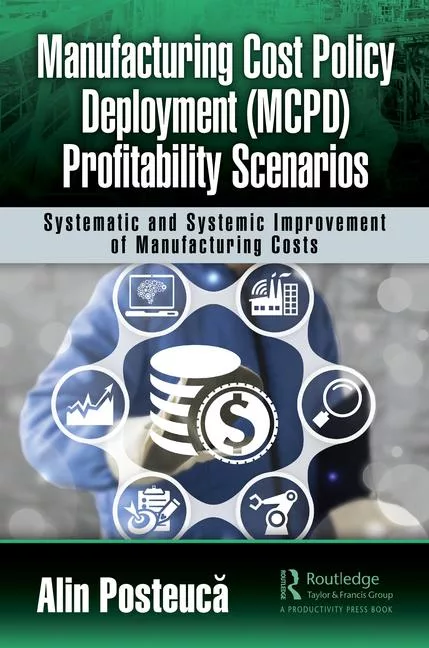
Manufacturing Cost Policy Deployment (MCPD) Profitability Scenarios: Systematic and Systemic Improvement of Manufacturing Costs

Manufacturing Cost Policy Deployment (MCPD) Profitability Scenarios: Systematic and Systemic Improvement of Manufacturing Costs

See More Products
Register for webinar - Modernizing Automotive Assembly: Why Upgrading Legacy MES is a Business Imperative

Related Articles

  • Further Review of Manufacturing Supply Chains

    Further Review of Manufacturing Supply Chains

    See More
  • New MEP Service Helps Manufacturers Optimize Supply Chains

    See More
  • Samsung manufacturing

    US Washer Tariffs Put Samsung, LG Supply Chains Through the Wringer

    See More

Related Products

See More Products
  • supply chain.jpg

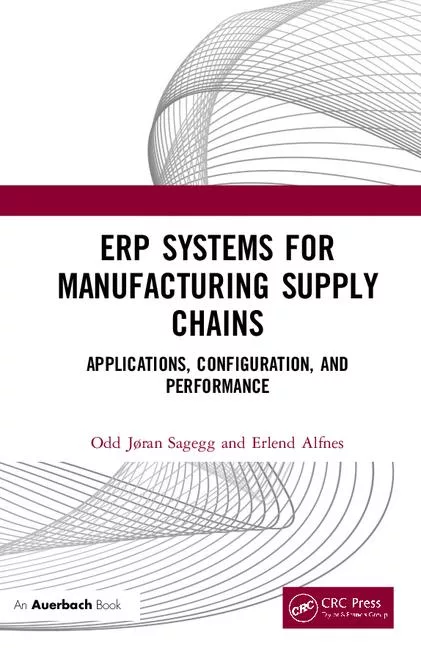
    ERP Systems for Manufacturing Supply Chains

  • strong.jpg

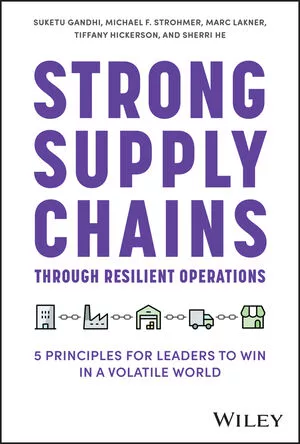
    Strong Supply Chains Through Resilient Operations: Five Principles for Leaders to Win in a Volatile World

  • 9781138498730.jpg

    Manufacturing Cost Policy Deployment (MCPD) Profitability Scenarios: Systematic and Systemic Improvement of Manufacturing Costs

See More Products

Related Directories

  • INFICON

    INFICON electrolyte, refrigerant, hydrogen, and helium leak detectors are the worldwide leading brand for quality control at battery, automotive, refrigeration, air conditioner and appliance manufacturing facilities and their supply chains.
×

Never miss the latest news and trends driving the manufacturing industry

Stay in the know on the latest assembly trends.

JOIN TODAY!
  • RESOURCES
    • Advertise
    • Contact Us
    • Directories
    • Manufacturing Division
    • Store
    • Want More?
  • SIGN UP TODAY
    • Create Account
    • eMagazine
    • Newsletters
    • Customer Service
    • Manage Preferences
  • SERVICES
    • Marketing Services
    • Reprints
    • Market Research
    • List Rental
    • Survey/Respondent Access
  • STAY CONNECTED
    • LinkedIn
    • Facebook
    • Instagram
    • YouTube
    • X (Twitter)
  • PRIVACY
    • PRIVACY POLICY
    • TERMS & CONDITIONS
    • DO NOT SELL MY PERSONAL INFORMATION
    • PRIVACY REQUEST
    • ACCESSIBILITY

Copyright ©2026. All Rights Reserved BNP Media, Inc. and BNP Media II, LLC.

Design, CMS, Hosting & Web Development :: ePublishing