
Articles Tagged with ''indexing''
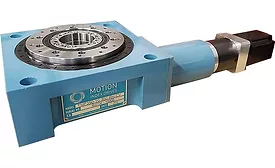
What’s New With Rotary Indexers
Servo indexing and flexibility drive numerous assembly applications.
Read More

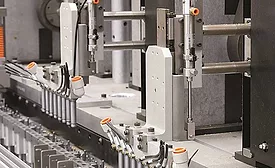
Alternatives to Pallet-Transfer Conveyors
Need to linearly index parts and subassemblies with accuracy and repeatability? Consider precision-link conveyors and walking beams
Read More
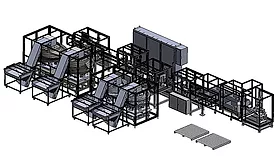
Automated Assembly System Roundup
Auto parts, plumbing products and medical devices are among the myriad items made on automated assembly systems
Read More

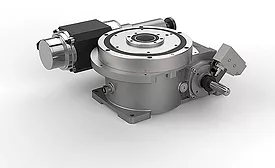
Fixed vs. Flexible Automation Systems
Both fixed and flexible technologies offer distinct advantages, but only if manufacturers optimize important operational parameters.
Read More
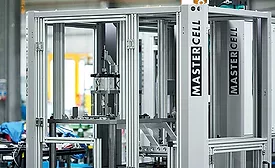
Automated Assembly Cells
Standardized, preconfigured automated assembly cells can lower costs and reduce time to market.
Read More
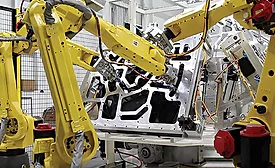
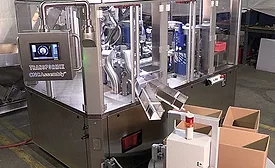
Vision Enables Flexible Assembly
A new, flexible assembly system produces the same volume and part mix as six older machines.
Read More

Bullet-Proof Automated Assembly
A system that runs like clockwork doesn’t happen by accident.
Read More