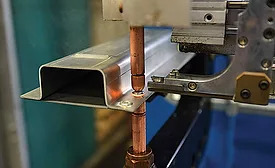
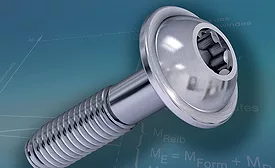
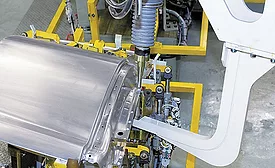
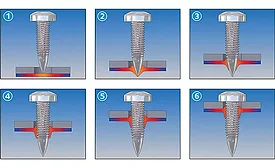
The need to reduce vehicle weight has spawned myriad new technologies for assembling aluminum, high-strength steel and other materials. These new technologies include self-piercing rivets, flow-drilling screws and friction-stir spot welding.
Efforts to reduce vehicle weight have mostly focused on aluminum, plastics and composites, but another lightweight material is also getting attention: magnesium. The ninth most abundant element in the universe, magnesium is as strong as steel, but 33 percent lighter than aluminum, 60 percent lighter than titanium, and 75 percent lighter than steel.
ARaymond Automotive has provided custom fasteners, clips, connectors, adhesives and other materials to OEMs and Tier 1 suppliers around the world for nearly 20 years. Its engineers specialize in three processes (fastening, fluid connections and bonding) that are used in all areas of a vehicle.
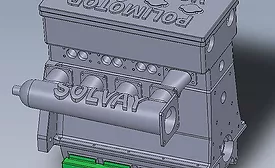
Back in the day, engines were the exclusive domain of cast iron and steel. But, during the past decade, more lightweight materials, such as aluminum and hard thermoplastics, have been slowly creeping under the hood. The Holy Grail, an engine made almost entirely out of plastic, is finally close to reality.
Carbon-fiber composites offer a variety of advantages for car and truck manufacturers, including lighter weight, better corrosion resistance and higher impact strength than aluminum and steel.