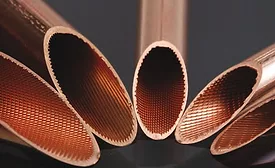
Aggressive environmental legislation has motivated the design of ACR appliances that use low- or ultra-low GWP refrigerants and yet deliver high system efficiency.
Specific gas technology features are becoming more available in the newest and most innovative kitchen appliances.
August 3, 2015
Ever since our ancestors first climbed down out of the trees, they promptly turned around and set them ablaze to cook the evening’s catch; humankind has had a unique and symbiotic relationship with fire ever since.
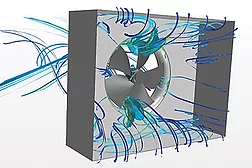
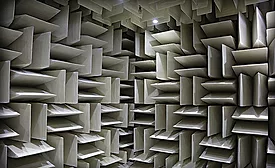
In applications relating to refrigeration, air conditioning and ventilation technology, users frequently notice that the selected fan installed in the device does not run as quietly as expected.
Double engine output while reducing air consumption.
January 3, 2014
What happens when the power from your drive unit simply isn’t enough? When the motor for your robot-controlled plant has to supply maximum power yet has to be physically very small?
The choice of a refrigeration motor is much bigger than a hum, a whir, or a whine. Electronically communicated motors are beginning to challenge shaded pole and PSC motors, but issues with reliability and motor surge currents, some real, some perceived, may be holding ECMs back.
Advancements in polymers in recent years are expanding the capacities of cooking appliances. Lightweight, tough plastics are catching up to the dishwasher durability and surface integrity of glass, but are consumers ready to pay more for it?
Carbon dioxide found popularity as a refrigerant for comfort cooling in the 1920s, before being replaced by more convenient CFCs (chlorofluorocarbons) in the 1930s and then HFCs (hydroflurocarbons) in the 1990s. But with the Kyoto Protocol, an international treaty requiring industrialized nations to lower their collective greenhouse gases 5 percent below 1990 levels by 2012, carbon dioxide has come back into the limelight as a hope for a safe and effective refrigerant replacement.