We take for granted that our supply chains will deliver the products we desire, or at least we once did. We don't care about their complexity. How could there be complexity? They have always delivered reliably.
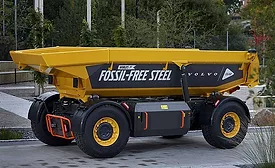
In October, the Volvo Group unveiled the world's first vehicle, a load carrier used in mining and quarrying, that is made from steel produced without fossil fuels.
With the pandemic subsiding and consumer spending on the rise, manufacturers are investing in their assembly operations.
December 7, 2021
In February 2020, U.S. manufacturers employed nearly 12.8 million people. Then came the COVID-19 pandemic. In an instant, the country lost 1 million manufacturing jobs as governments and businesses scrambled to figure out how best to stop the spread of the disease.
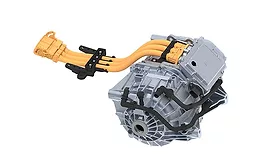
The Schaeffler Group is a family-owned German auto parts manufacturer that supplies automakers around the world. Like many companies, it is shifting its product portfolio to electric vehicles.
Some birds, such as albatrosses and pelicans, skim over ocean waves and fly long distances, up to thousands of miles in a few days, without hardly flapping their wings. Using this dynamic soaring method, seabirds continually harness the power of air and wave currents to conserve energy as they glide along.
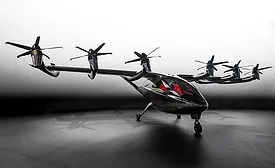
Most of the recent buzz surrounding electric vehicles has focused on cars, trucks and other land-based products. But, there's also a revolution occurring in the air with a new class of all-electric vertical takeoff and landing (eVTOL) aircraft.
Vendor-managed inventory (VMI) programs have been around for decades. But, not all programs are created equal. The difference between good and great programs involves a host of variables.
For many automotive Tier 1 suppliers, tracking their inventory is sometimes as challenging as manufacturing the parts themselves. Westin, WI-based Precision Replacement Parts (PRP) can attest to this statement.
Bottlenecks can occur anywhere on the production line. A common place for this problem to occur is the 90-degree corner, where products usually fail to move as efficiently and quickly as they do on straightaways.
The pace at which artificial intelligence (AI) is becoming a mainstream technology in manufacturing is quite impressive. Companies in many industries use AI daily to optimize assembly processes, perform predictive maintenance, improve part and product quality through enhanced vision inspection, and increase data cybersecurity.