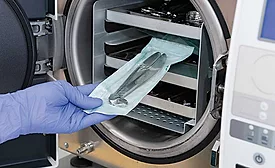

With the rise in antibiotic-resistant "superbugs" in hospitals and medical centers, cleanliness and sterilization of medical devices have become a top priority. Cleaning products have become stronger and more aggressive to sanitize devices and prevent the spread of illness between patients.
According to a new study by P&S Market Research, global sales of self-piercing rivet technology (SPR) will grow at a cumulative annual rate of 26 percent between 2016 and 2022. P&S predicts manufacturers worldwide will consume 45 billion of the fasteners in 2022.
Trucks moved roughly 71 percent of the nation's freight by weight in 2016, according to the American Trucking Association. That's 10.55 billion tons of freight or $738.9 billion in gross freight revenue. To move all that stuff around, some 34 million trucks logged more than 450 billion miles.
In the Chicagoland area, the home of ASSEMBLY Magazine for the past 60 years, freight trains are a daily fact of life. It's hard to drive anywhere without encountering at least one long train with numerous cars pulled by powerful locomotives.
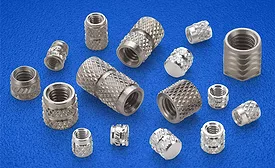
When specifying for such assemblies, an essential part of the decision-making process will involve how the plastic materials or components will be attached.
August 1, 2018
The ever-increasing use of plastics in the manufacture of household appliances, compact consumer electronics, medical devices, and many other applications presents opportunities for designers to reduce the weight of assemblies and enhance end-product performance.
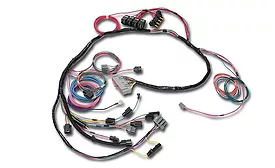
Automotive innovation is driven by environmental, safety and lifestyle requirements. This means manufacturers are putting more electronic content in their vehicles with ever-increasing numbers of electronic control units (ECUs).
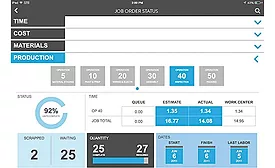
It took 40 years, but we now know that hot dogs and apple pie aren't the only things baseball and automakers (and their suppliers) have in common. Another thing is enterprise resource planning (ERP) software, which gathers and disseminates critical management information across an entire organization.
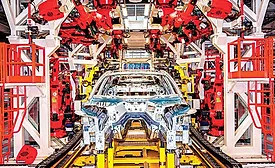
Nothing embodied the freedom of the 1960s better than a sports car. Italian automaker Alfa Romeo (AR) understood this, and in 1962 introduced its first four-door compact executive car: the Guilia.