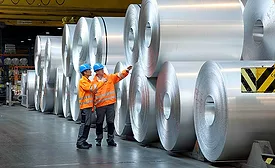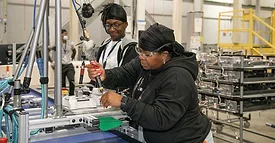
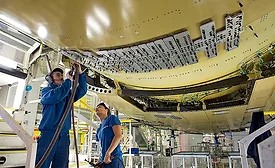
Hella GmbH & Co. has been synonymous with automotive lighting for decades. But, the 124-year-old company produces more than just top-of-the-line headlamps.
Titanium has the highest strength-to-weight ratio of any metal. It’s as strong as some steels, but 45 percent lighter. Titanium is also prized for its corrosion resistance, fatigue resistance, crack resistance, and ability to withstand moderately high temperatures without creeping.
At the end of 2020, the Renault assembly plant in Flins, France, embarked on a new path to focus on the circular economy. The automaker set a goal of buying less, extracting value from existing products, and creating a new industrial model centered on sustainability.
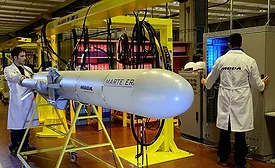
Missiles are the premier weapon of modern warfare. According to consulting firm Polaris Market Research, global sales of rockets and missiles are expected to increase from $58.3 billion in 2021 to $73.8 billion in 2026, growing at a cumulative annual rate of 4.8 percent.
The electric aircraft market is still in its infancy, but that hasn't stopped an ambitious group of innovators from developing a leaner, greener future of flight.
Engineers at Tesla Inc. have developed a new process that they claim will reduce EV production costs by 50 percent, while reducing factory space by 40 percent.
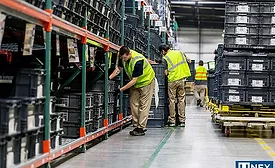
Atypical car contains some 30,000 parts, including fasteners, from dozens of suppliers. All these components must arrive at an OEM’s assembly plant in the right sequence at the exact moment that they’re needed. It’s a massive undertaking.
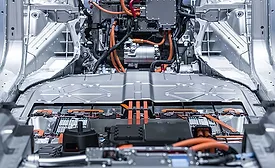
The need to extend the range of electric vehicles is pushing automakers to adopt higher battery voltages. Most passenger EVs are powered by a 400-volt battery pack, while electric buses and trucks are powered by 600-volt battery packs.
Recently, I was consulting with a procurement group, one of its OEM customers, and a product engineering firm. The goal was to find ways to reduce the cost of a particular product.
Water heaters are one of the least glamorous types of home appliances. The vertical metal tanks typically sit out of sight in dark corners of basements or behind closet doors. Most homeowners never think about the devices—until there’s no hot water.