As the miniaturization trend in electronics continues, rigid-flex PCBs grow in popularity. This is because they require up to 60 percent less space than standard PCBs.
Manufacturing high-quality products is always serious business, even when the products are used for fun. KTM AG, for example, builds each of its off-road motorcycles with top-notch and thoroughly tested parts so that each model is "ready to race."
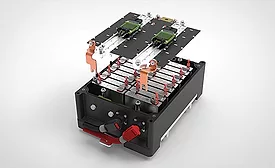
During the next decade, more automakers will be adopting 48-volt electrical systems to keep up with evolving driver-assist options, onboard entertainment features and other power-sapping applications. Growing demand for mild-hybrid electric vehicles (MHEVs) is also behind the trend.
In my March editorial, I discussed the impact of steel and aluminum tariffs on assemblers of steel and aluminum products. However, another constituency has also been affected by tariffs: U.S. consumers.
Data analytics, augmented reality, generative design, artificial intelligence, cobots, additive manufacturing and other technologies are already helping manufacturers increase efficiency, reduce downtime, lower prices, differentiate themselves in the marketplace, and improve service, delivery and quality.
In my last column, we looked at the reasons why U.S.-made products resonate with consumers. Studies found a preference for U.S.-made products when concerns about quality, safety and durability were high.
Ensuring that every product is a high-quality one has been a standard practice at the VIP-VIRANT Group (VVG) since it opened its doors in Komenda, Slovenia, in 1995.
Having multiple options to solve a problem is a great thing for any manufacturer. Having too many options, however, can prove problematic when it prevents a company from deciding on a specific plan of action in a timely manner.
 RSS
RSS