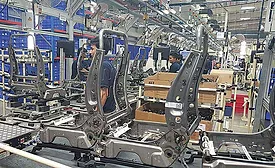
India is one of the world's fastest-growing economies thanks, in part, to the automotive industry, including suppliers like Johnson Controls. This global conglomerate produces a wide range of components for cars.
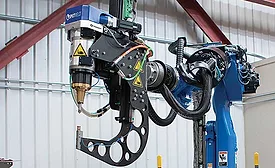
As manufacturers expand the use of aluminum, titanium, magnesium and other high-strength, lightweight alloys, interest in alternative joining technologies is increasing.
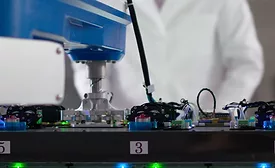
Static electricity can do much more than levitate a person's hair with the help of a charged balloon. This scientific phenomenon, technically known as electroadhesion, can also enable a robotic gripper to easily handle material as fragile as an egg and as flimsy as soft fabric.
Automakers, suppliers and startup ventures around the world are scrambling to develop driverless car technology. While many basic issues have already been addressed, numerous hurdles still remain.
Project quality and product quality are different things, but they are inextricably linked—or they should be. It is possible for a project to seem successful and deliver the anticipated result, only to find out later the product is not what was expected.
In the early days of commercial aviation, thousands of inventors and tinkerers developed multiple schemes for flying machines. A few ideas worked, but many others never got off the ground.
With nearly a century of experience manufacturing trucks, it's no surprise that Kenworth is one of PACCAR's most successful arms. Kenworth, along with fellow PACCAR brand Peterbilt, achieved a record 30.7 percent of retail market share for Class 8 trucks in the U.S. and Canada in 2017, up from 28.5 percent in 2016.
My wife and I are mad birders. Our passion has taken us to remote corners of the globe in search of rare and beautiful birds. But, birding trips often come with strict limits on the size and weight of luggage, so we've learned to pack judiciously. Do we really need X? Can we do without Y?
 RSS
RSS