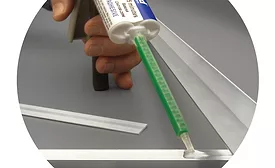
No matter which method is used, the goal is low production costs and a quality end product.
October 1, 2016
Design engineers consider a number of factors when deciding which joining method is best suited to a particular application. Each has pros and cons, and this article will look at some of the reasons behind the choices for one over the other.
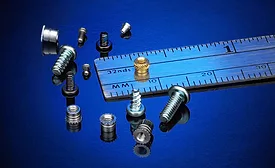
In response to customer needs, micro fastening technology continues to advance.
November 3, 2015
When evaluating how best to attach components and assemblies in the world of compact consumer electronic devices—one of the fastest-growing categories of appliances—designers have had their work cut out for them.
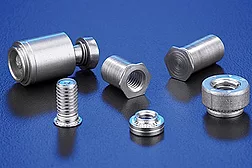
Dozens of types and thousands of variations of self-clinching fasteners have been engineered over the years—and more are always on the horizon.
January 1, 2015
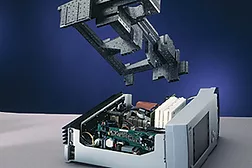
Every decision involving fastening and joining can impact the early stages of appliance design, affect the assembly process down the line, and influence the integrity and performance of appliances in service.
Hard polypropylene fabrication materials for interior elements can take the question of joining out the equation, but are these resins developed enough yet to warrant such a radical shift?
Tubing, cylindrical housings, and similar shapes often pose joining challenges. Crimping and pressing operations have been frequently used to form an edge on such shapes as a means of joining them to another part or to enclose an assembly of parts, but those methods have their drawbacks.