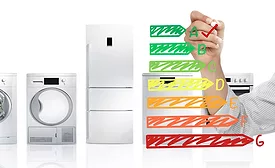
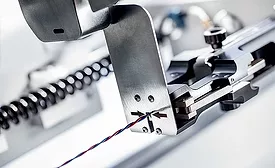
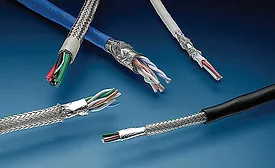
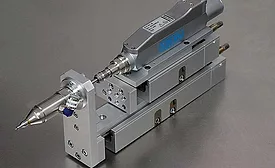
Microprocessor-based electronics in refrigerators and freezers allow better control.
August 1, 2017
Refrigerators, freezers, and wine coolers are among any household’s major energy consumers. In fact, according to the U.S. Energy Information Administration’s Residential Energy Consumption Survey, the refrigerator is the second-largest user of electricity (13.7%), right behind the air conditioner (14.1%).
There are many reasons attributed to the positive outlook in the home appliance market. Energy efficiency is one of the fundamental reasons behind the trend.
August 1, 2017
The outlook for the home appliance market looks positive. Relatively better economies across global markets, with growth in the housing sector, including home refurbishments, growth in nuclear families, urbanization, improvement in lifestyle, and more disposable income amongst younger consumers are some of the key economic drivers of growth in the home appliance market.
When the average person opens up a refrigerator and grabs a too-warm soda can or bottle, his initial reaction is one of disappointment. But, if that person is an assembler of harnesses for this type of appliance, his initial thought is: Check the evaporator fan wiring harness.
When I was a lad, the family car only had an AM radio, which was just fine with my father. All he wanted was to listen to the ballgame. FM radio? Tape player? Man, those were luxuries!
Commercial protocols in aerospace applications present designers with the challenge of balancing the standard against the special needs of the application.
Rechargeable batteries are used in everything from consumer electronics and medical devices to power tools and electric vehicles. But, the ubiquitous devices can be a pain to constantly charge.
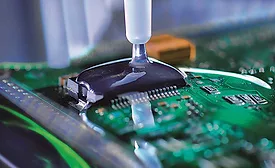
Going with the flow of the marketplace not only makes sense for a manufacturer, it can also make the company lots of money. An equally beneficial strategy—implemented on an application-by-application basis—is to know the flow of each material being dispensed and equip accordingly. Electronics contract manufacturers are well aware of the benefits of both practices.
Most people associate additive manufacturing with plastics. However, a slew of new materials and processes are now available that enable engineers to print a variety of metal components.
Millions of people visit health clubs to work out on stationary bikes and treadmills every day. In contrast, only several thousand people get their daily exercise by actually assembling these pieces of equipment.
 RSS
RSS