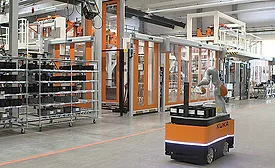
Robots used to be thought of strictly as stationary machines. They were bolted to a floor, table, ceiling or wall and that’s where they stayed. But, that’s beginning to change.
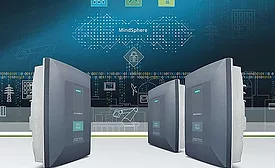
Manufacturers of complex products, such as engines and transmissions, have long been using radio frequency identification (RFID) technology to error-proof their processes, document quality, and deal with high-mix production.
If poet Gertrude Stein had also worked as an assembly machine operator, could she have ever written the line, “a rivet is a rivet is a rivet”? No one can say for sure, but it’s highly unlikely since operators know that rivets are distinctive in their design and function, as well as how they are installed.
That modern life can, and often does, imitate popular art is well established, even to the point of being a cliché. Much less commonplace is life improving upon art.
In manufacturing, the latest innovations in equipment, processes and materials often get tested first by automotive OEMs or Tier 1 suppliers. A good example of this is the Polimotor, an all-plastic engine that inventor Matti Holtzberg has worked on for nearly 40 years.
One of the main challenges in forestry is removing bark from freshly cut logs. For many decades, the standard method involved loading logs into a hopper with a conveyor belt that moves the logs into a ribbed drum.
Light-emitting diode (LED) lighting is one of the hottest segments in the electrical equipment industry today. And, as more consumers seek energy-efficient alternatives to traditional incandescent and fluorescent products, global shipments of LED fixtures, luminaires and modules are expected to grow more than 12 percent annually over the next five years.
Cardinal Health Inc. is a Fortune 500 health care services company based in Dublin, OH. The company specializes in distribution of pharmaceuticals and medical products, serving more than 100,000 locations.
In April, President Donald Trump made good on a campaign promise and ordered the Commerce Department to conduct a “Section 232” review of steel imports. A provision of the Trade Expansion Act of 1962, Section 232 authorizes the gov-ernment to take action to limit imports of products if they threaten national security.