 RSS
RSS

Screwdriving and Riveting Assembly
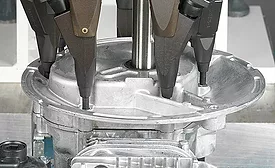
What’s New With Automatic Screwdriving?
Flexible feed and drive systems improve productivity.
Read More

Assembly Methods for Bioplastics
Plastics made from plant-based materials are increasingly being used in a variety of applications.
Read More

What’s New With Blind Riveting
Versatile tools and advanced rivets enhance the benefits of this popular fastening method.
Read More
ASSEMBLY Capital Spending Report 2017: Capital Spending Continues to Increase
With the economy firing on all cylinders, our annual Capital Equipment Spending Survey predicts continued growth in investment.
Read More

How to Determine a Torque Specification
The best fastening technology is only as good as the specifications they’re designed to maintain.
Read More
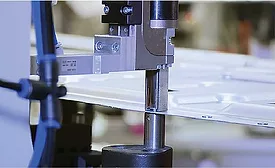
Fasteners for Automotive Lightweighting
Hybrid welding-fastener processes join self-piercing riveting as the best technologies for automotive lightweighting.
Read More
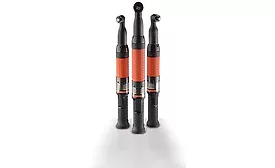
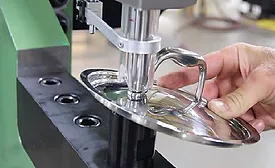
Advances in Impact Riveting
After many decades, the main appeals of impact riveting remain unchanged: speed, reliability and cost-effectiveness.
Read More
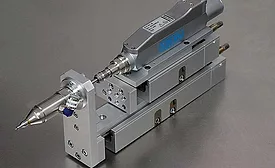
Feeding and Driving Small Screws
Specialized equipment is needed to feed and drive very small screws.
Read More