 RSS
RSS

Manufacturing Industry Top Stories

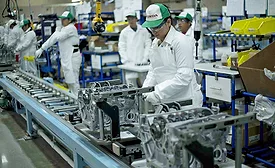

Renault Trucks Error-Proofs Assembly
Tool location systems ensure quality control of safety-critical joints in electric trucks.
Read More

Chassis Evolve as Electrification Matures
New platforms change how engineers tackle strength, weight and handling challenges.
Read More
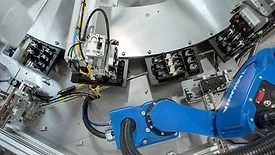
Robotic Automation System Assembles Switches
The line produces 3,000 assemblies per day with a 94 percent efficiency rate.
Read More

Can Ergonomic Improvements Increase Productivity?
A South African automotive manufacturer discovered that workers—and productivity—can benefit from ergonomic improvements.
Read More

How Do High-Velocity Impacts Affect Adhesive Bonding?
The right joint design can mitigate damage to bonded assemblies caused by high-speed impacts.
Read More

The Data Imperative for Smart Microfactories
The success of microfactories depends not just on sensors and robotics, but on how well data is connected, contextualized and consumed.
Read More

Laser Welding Plastic Medical Devices
Specialty thermoplastics enhance the power of light beams.
Read More