Garbage Truck Is Made From Recycled Materials
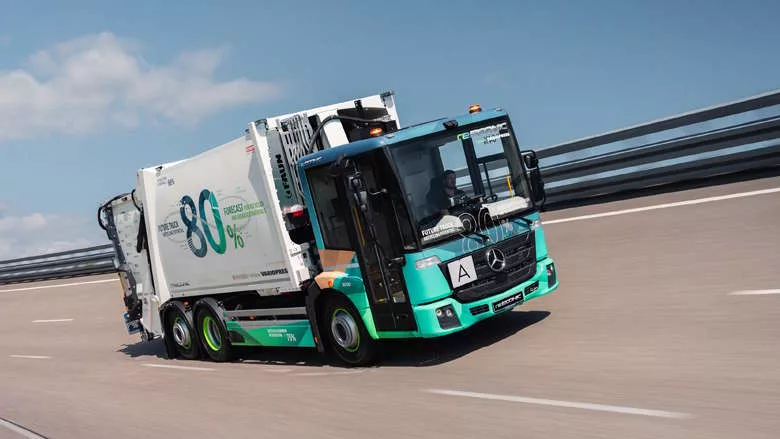
Numerous components in the reECONIC are made of recycled materials and natural and bio-based materials.
Daimler Truck has designed and built a new battery-electric garbage truck made, in part, from recycled and renewable materials.
Daimler designed the concept vehicle, dubbed the “reECONIC,” with the help of 32 partners, including FAUN Umwelttechnik, a manufacturer of waste collection vehicles, and TSR Group, a recycling company.
The truck is based on Daimler’s eEconic electric garbage truck chassis, but it is topped with FAUN’s reNew Variopress body, which is partially made from recycled materials. The goal of the project was to see if the companies could make a vehicle to collect recyclables that is, itself, made of recycled materials.
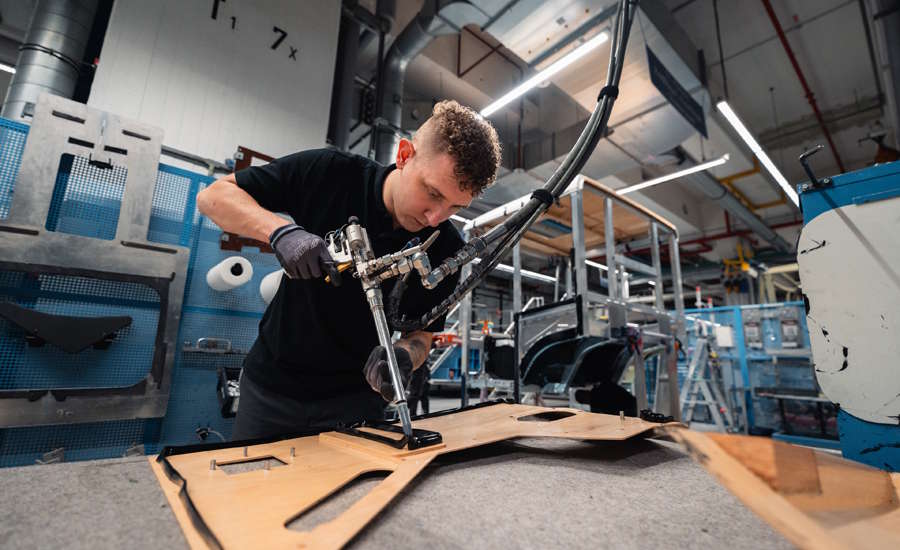
The reECONIC marks the first time wood has been used in a modern commercial vehicle. Photo courtesy Daimler Trucks
“We have done pioneering work in the field of material recycling and the use of natural materials and bio-based alternative products in commercial vehicle manufacturing,” says Roland Dold, reECONIC project manager at Daimler Truck. “It consists, among other things, of materials with a history—from fishing nets to automotive parts. Even after the end of their useful life, many of these components can be converted back into their raw materials and reused—that is the circular economy in its purest form. We expect to…incorporate our findings and experience into series production so that more trucks with high recycled content will hit the roads in the future.”
As a result of their demonstration project, Daimler Truck engineers estimate that approximately 80 percent of the materials used to build a garbage truck could be replaced with recycled materials and natural and bio-based materials.
The engineers determined that the four primary materials used to construct a standard production model eEconic truck—steel, aluminum, glass and plastic—account for 6.5 tons of its total weight. They then concluded that up to 5.2 tons of that weight could be substituted with recycled or renewable materials. Besides conserving resources, such a design would reduce the carbon emissions needed to produce the vehicle by 41 percent.

The engineers replaced conventional, petroleum-based plastics and composites with a variety of more sustainable alternatives. Photo courtesy Daimler Trucks
Numerous components in the reECONIC are made of recycled materials and natural and bio-based materials. For example, the flat steel used for the side members contains an average of 88 percent recycled steel and is produced using innovative electric arc furnace technology that generates less carbon emissions. For forged steel, a recycled content of 97 percent was achieved, as demonstrated by the axle housing.
Looking for quick answers on assembly and manufacturing topics? Try Ask ASM, our new smart AI search tool. Ask ASM
The cab frame and the battery protection structure are largely made from recycled aluminum using the extrusion process. Other aluminum components contain at least 75 percent post-consumer recycled material.
The engineers also replaced conventional, petroleum-based plastics and composites with a wide range of more sustainable alternatives. For example, the footwell trim uses natural-fiber-reinforced polylactic acid as a bio-based fiber composite, while the seat upholstery is made from recycled polyamide derived from carpet waste and old fishing nets. The filler material in the fender is a recycled thermoset plastic, which is typically used in wind turbine rotor blades and in boat and vehicle construction. The display mount is made from a bio-based filler derived from sunflower oil production waste, and the dashboard is made from lignin-based plastics. (Lignin is a byproduct in the pulp and paper industry.)
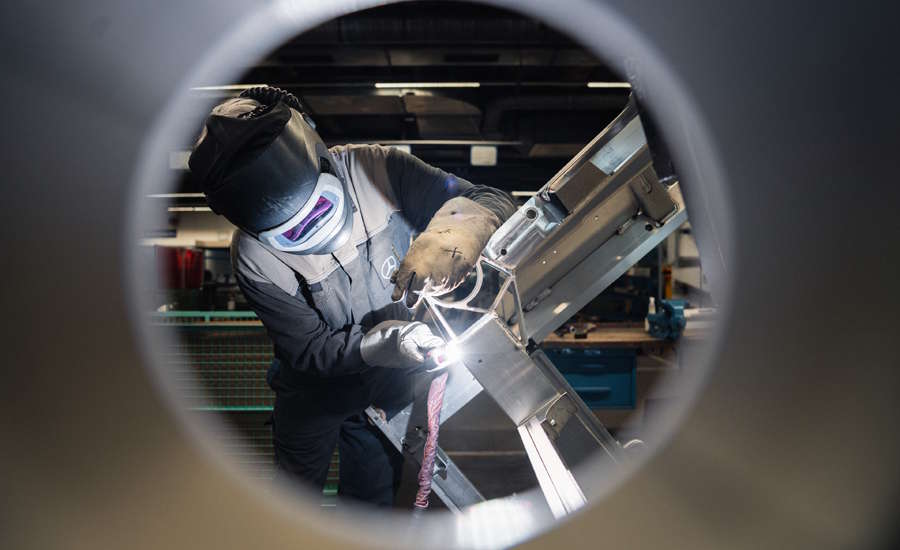
The flat steel used for the side members contains an average of 88 percent recycled steel and is produced using innovative electric arc furnace technology that generates less carbon emissions. Photo courtesy Daimler Trucks
The reECONIC also rolls on retreaded tires, which reuse the existing carcass multiple times. This process increases the proportion of recycled and renewable materials to 80 percent after just the first retreading.
The truck’s windows contain, on average, 64 percent recycled content.
Achieving this level of recycled content in laminated and tempered automotive glass requires strict standards for performance, safety and durability. By improving sorting and recycling streams and adjusting production parameters, the engineers demonstrated that high-quality recycled glass can be reintegrated into demanding truck applications.

Daimler engineers determined that the four primary materials used to construct a standard garbage truck—steel, aluminum, glass and plastic—account for 6.5 tons of its total weight. They then concluded that up to 5.2 tons of that weight could be substituted with recycled or renewable materials. Photo courtesy Daimler Trucks
The reECONIC also marks the first time wood has been used in a modern commercial vehicle. Elements of the floor, wheel arch, and fender are made of beech wood grown in certified sustainable forests. In the cab, the seat shell and the cab roof are also made of beech.
When selecting materials for the vehicle chassis and body, engineers ensured that they not only contain a high proportion of recycled content but are also recyclable at the end of the vehicle’s useful life. One example is the truck’s glass: Due to its properties, it can indefinitely be returned to the material cycle.
For more information on green manufacturing, read these articles:
Automakers Opt for Sustainable Materials
Valeo to Supply Remanufactured Components to Stellantis
From Birch Bark to Truck Parts: Scania Explores Next-Gen Rubber
Looking for a reprint of this article?
From high-res PDFs to custom plaques, order your copy today!